
PPC advertising
Turn paid advertising into profitable growth with optimized PPC campaigns designed for higher reach and stronger ROI.
About PPC
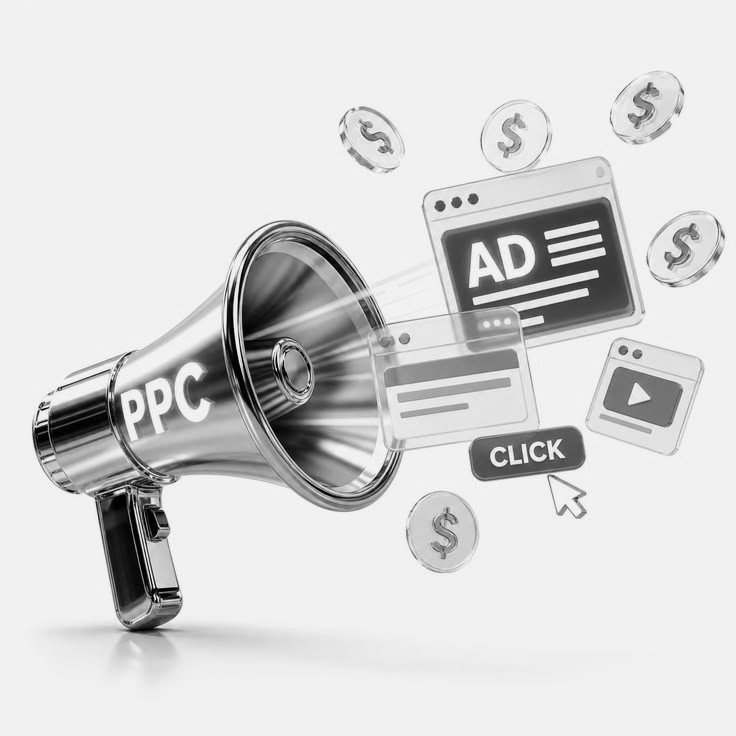
PPC (Pay-Per-Click) advertising is a digital marketing strategy where advertisers pay a fee each time someone clicks on their advertisement. It allows businesses to display ads on search engines, social media platforms, websites, and other digital channels, helping them reach potential customers who are actively searching for specific products or services.
PPC campaigns can generate targeted traffic, leads, sales, and brand awareness within a short period. By selecting relevant keywords, audiences, locations, interests, and demographics, businesses can control who sees their ads and optimize their campaigns based on performance data and business goals.

what it include.
Keyword Research
Identifying relevant and high-performing keywords helps PPC campaigns reach users who are actively searching for your products or services.
AD creation
Creating attractive headlines, descriptions, visuals, and calls-to-action encourages users to notice the advertisement and take action.
Audience targeting
PPC allows businesses to target specific audiences based on factors such as location, age, interests, behavior, and search intent.
Bid Management
Managing bids effectively helps advertisers control how much they are willing to pay for clicks, impressions, or conversions.
Performance Tracking
Monitoring clicks, conversions, cost, impressions, and return on investment helps businesses measure and improve campaign performance.
Landing Page Optimization
Optimized landing pages provide a smooth user experience and encourage visitors to complete actions such as purchases, registrations, or enquiries.
need of PPC?
PPC advertising is important because it helps businesses reach their target audience quickly instead of waiting for organic traffic to develop over time. Ads can appear when potential customers are actively searching for relevant products or services, increasing the opportunity to attract highly interested visitors.
Another major advantage of PPC is precise targeting and budget control. Businesses can choose their daily or campaign budget, target specific audiences and locations, and adjust their advertising strategy based on real-time performance, making PPC suitable for both small businesses and larger organizations.
PPC also provides measurable results that can support better marketing decisions. By analyzing metrics such as clicks, conversions, cost per click, and return on ad spend, businesses can identify what works, reduce wasted spending, and continuously optimize their campaigns for better results.
FAQ
What does PPC stand for?
PPC stands for Pay-Per-Click, a form of online advertising where advertisers generally pay when someone clicks on their advertisement. It is commonly used to generate targeted website traffic, leads, and sales.
How does PPC advertising work?
Advertisers create campaigns, select targeting options, set budgets, and compete for ad placements through an advertising platform. When users interact with the ads, advertisers are charged according to the campaign’s bidding and pricing model.
What are the benefits of PPC advertising?
PPC can provide fast visibility, targeted traffic, measurable results, and flexible budget control. It also allows businesses to test different audiences, keywords, advertisements, and offers.
Is PPC suitable for small businesses?
Yes, PPC can be useful for small businesses because campaigns can be started with controlled budgets and specific geographic or audience targeting. This allows businesses to focus their spending on customers who are most relevant to their goals.
What is a PPC keyword?
A PPC keyword is a word or phrase used to match advertisements with relevant searches or audience intent. Choosing the right keywords can help improve traffic quality and reduce unnecessary advertising costs.
What is a landing page in PPC?
A landing page is the webpage users reach after clicking a PPC advertisement. A well-designed landing page should match the advertisement and make it easy for visitors to complete the desired action.
How is PPC performance measured?
PPC performance can be measured using metrics such as impressions, clicks, click-through rate, cost per click, conversions, conversion rate, and return on ad spend. These metrics help advertisers understand campaign effectiveness and identify areas for improvement.
How can I improve my PPC campaign?
You can improve a PPC campaign by refining keywords, testing different ad copy, improving landing pages, adjusting targeting, and analyzing conversion data. Regular optimization helps reduce wasted spending and improve the overall return from your advertising budget.
Ready to grow?let's talk!
Let’s connect and turn your ideas into impactful digital strategies that drive real results.